

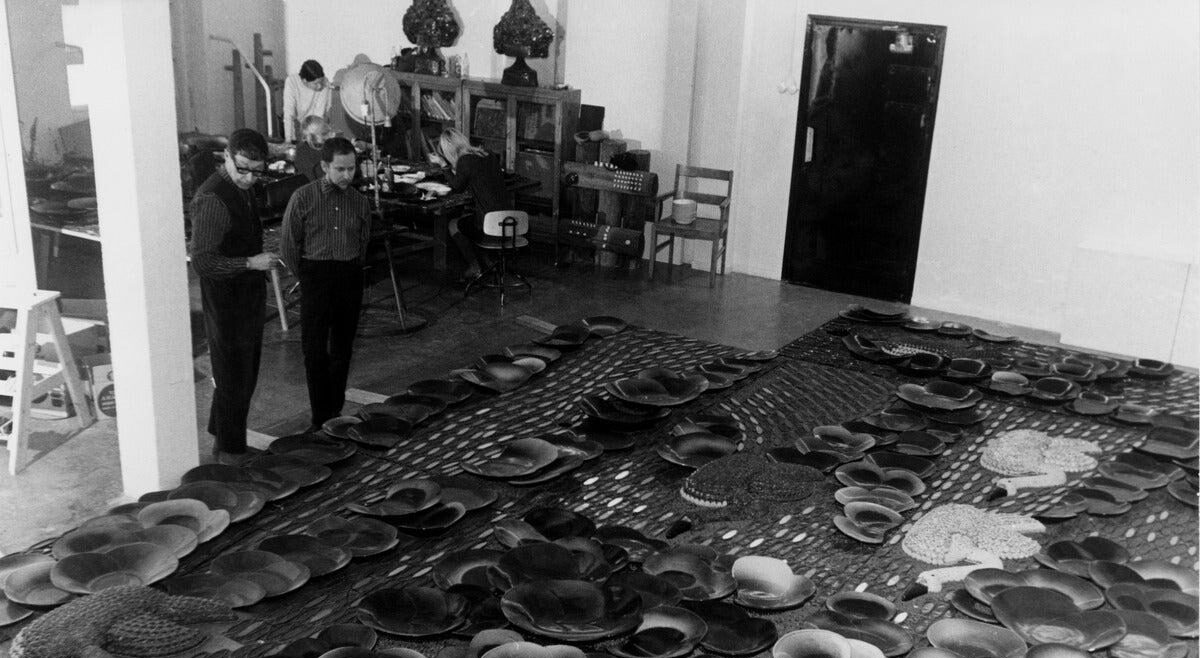
Birger Kaipiainen – The Prince of Ceramics
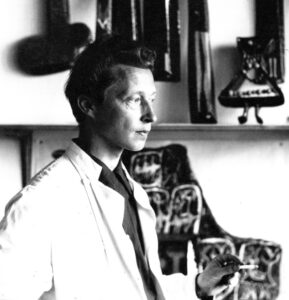
Kaipiainen in his atelier at Arabia.
The extraordinary life and artistic legacy of Finland’s most flamboyant ceramic artist.
When discussing Finnish ceramic art, few names stand out as distinctly as Birger Kaipiainen (1915–1988). In a country celebrated for functionalism and minimalism, Kaipiainen created an entirely different world, filled with flowers, birds, elaborate ornamentation and theatrical compositions.
Known as the Prince of Ceramics, he rose from difficult circumstances to become one of Finland’s most internationally celebrated ceramic artists. His unmistakable style, unconventional personality and extraordinary imagination made him a truly singular figure in Finnish design history.
A Maximalist in a Minimalist World
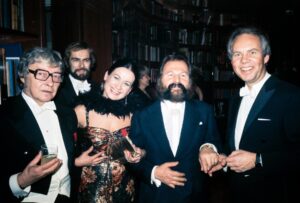
Birger Kaipiainen on the left.
Known for his elegant appearance, theatrical personality and love of high society. He was a pure romantic at heart, he adored opera, ballet, classical music, and anything bohemian & lush. His work drew inspiration from the Italian Renaissance, Byzantine mosaics and the natural world, combining these influences into richly ornamented ceramic compositions.
While many of his contemporaries embraced simplicity and functionality, Kaipiainen proudly stood apart.
He once declared:
“Decorate, decorate, decorate… A world without decoration is a dead world.”
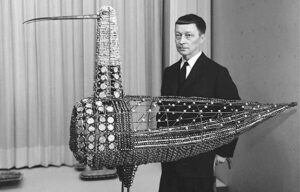
Kaipiainen & beaded bird sculpture “Kuovi”.
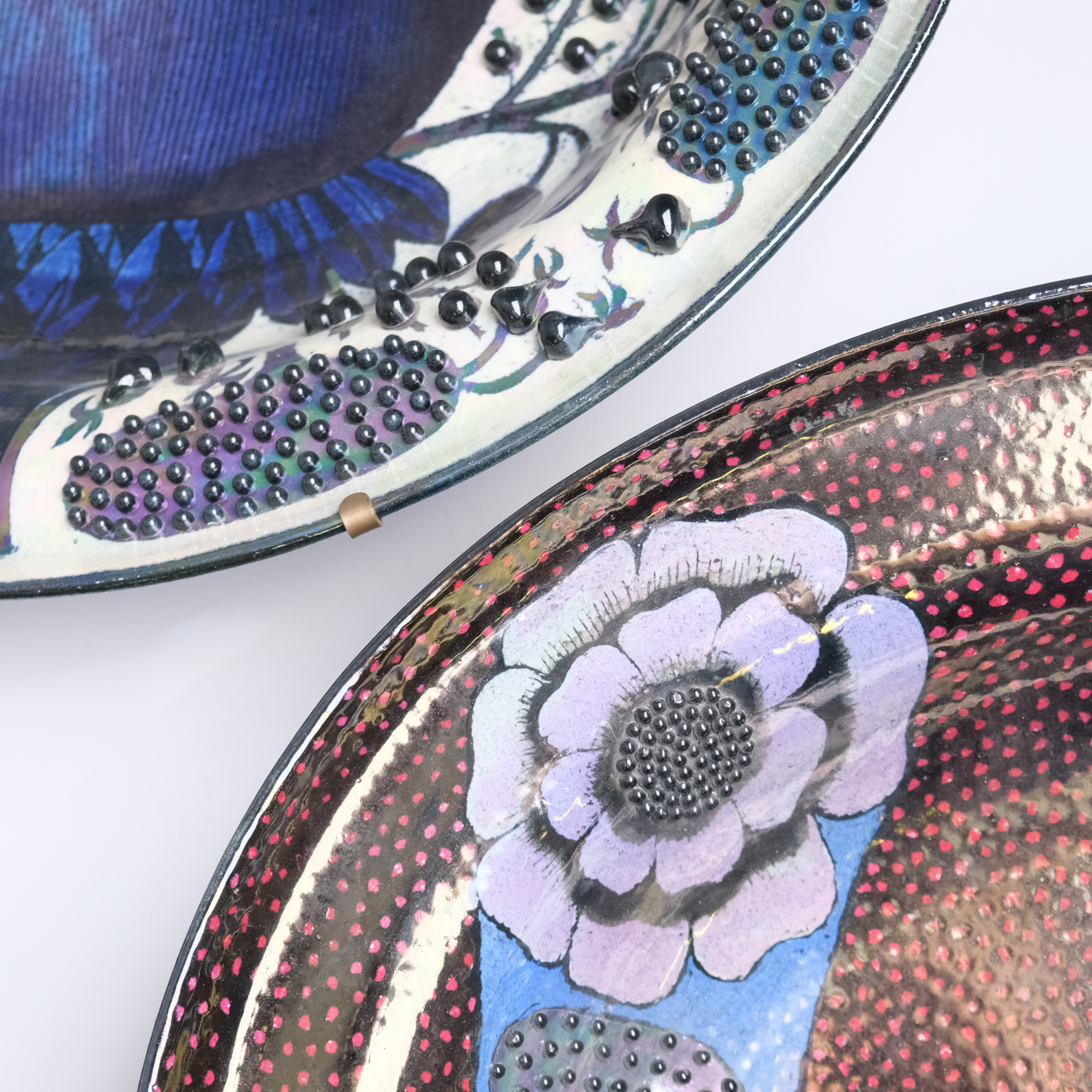
For Kaipiainen, decoration was never merely superficial. Symbolism was one of the hallmarks of his art, flowers, birds and clocks carried personal memories and meanings, transforming his ceramics into miniature worlds of their own.
However, his vision, which contrasted with those of his peers, didn’t stop him from moving comfortably among Finland’s artists, designers and cultural figures. He had an extraordinary social circle. One of his closest friends was Armi Ratia, the founder of Marimekko, and other personal friends also included celebrated names such as Tove Jansson, Jorma Gallen-Kallela, Kaj Franck, Rut Bryk, Tapio Wirkkala, Timo Sarpaneva and numerous aristocrats.
Childhood and Early Influences
Kaipiainen spent many childhood summers in Sortavala, Karelia, near Lake Ladoga, and the region’s natural beauty and Orthodox cultural traditions left a lasting impression on him.
Kaipiainen’s early life was also marked by illness. He contracted polio around the beginning of his professional career, leaving him with a permanent impairment to one leg and a walking cane that would become a familiar part of his appearance. This influenced his working methods, encouraging him to adopt a variety of different techniques rather than relying on the traditional potter’s wheel.
His artistic talents led him to Helsinki’s Central School of Arts and Crafts in 1933, where he studied under Arttu Brummer, one of the most influential figures in shaping Finnish Design history. While his mother was concerned with his poor academic success and increasingly carefree, dreamlike approach to life, Brummer encouraged Kaipiainen to surrender to his creativity.
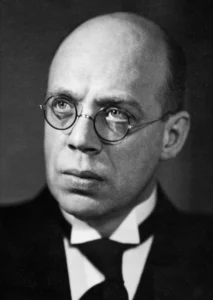
Arttu Brummer.
Arabia and the Birth of a Distinctive Style

Birger Kaipiainen working.
In 1937, Kaipiainen joined the art department of Arabia in Helsinki, beginning a relationship that would continue for nearly his entire career.
Unlike designers focused primarily on industrial production, Kaipiainen considered himself an artist and adamantly defied the idea of mass producing his works. Arabia’s art department gave him the freedom to experiment with unique ceramic plates, sculptures and monumental wall reliefs.
His early works featured delicate figures and dreamlike compositions inspired by Renaissance painting. Over time, his style evolved toward the richly decorated floral and bird motifs for which he became famous.
Between 1954 and 1958, he also worked at Sweden’s Rörstrand ceramics factory, further expanding his international experience.


A Legacy of Being Different
Birger Kaipiainen continued working almost until his death in Helsinki in 1988.
His legacy extends far beyond individual ceramic objects. He challenged the notion that modern design had to reject decoration, demonstrating that fantasy, symbolism and ornament could be just as meaningful as functionality.
His unique works remain highly sought after by collectors. But perhaps his greatest achievement was his unwavering commitment to his own identity.
Above all else Birger Kaipiainen dared to be extraordinary.
International Recognition & Awards
- 1951 – Milan Triennale: Awarded the Diplôme d’Honneur.
- 1960 – Milan Triennale: Received the prestigious Grand Prix for his celebrated ceramic pearl birds.
- 1963 – Pro Finlandia Medal: Awarded in recognition of his outstanding artistic achievements.
- 1967 – Montreal World’s Fair: Received the Grand Prix for Orvokkimeri (Sea of Violets), a monumental ceramic relief now displayed in the Tampere City Council chamber.
- 1977 – Honorary Professor: Awarded the honorary title of professor in Finland.
Sources and Further Reading
- Turku Art Museum – Birger Kaipiainen. Exhibition research covering his life, childhood influences, career and artistic development.
- Harri Kalha – Birger Kaipiainen (2013). Comprehensive art-historical research into Kaipiainen’s personality, symbolism and creative philosophy.
- Collection Kakkonen – Birger Kaipiainen. Artist biography, historical context and documented statements.
- Uppslagsverket Finland – Birger Kaipiainen. Biographical chronology, professional achievements and awards.
- Arabia / Iittala – Birger Kaipiainen. Manufacturer history and documentation of his ceramic designs.
- Design Museum Publication No. 32 (1989) – Biographical material concerning Kaipiainen’s childhood and the symbolism of his bird motifs, as cited by Kuovi.
- Finnish Design Shop, Design Stories – 50 vuotta Paratiisia. Historical background on the Paratiisi collection.
Author: Elias Haddadin
