

Paavo Tynell – The Three Layers of Light

Paavo Tynell on lighting the home
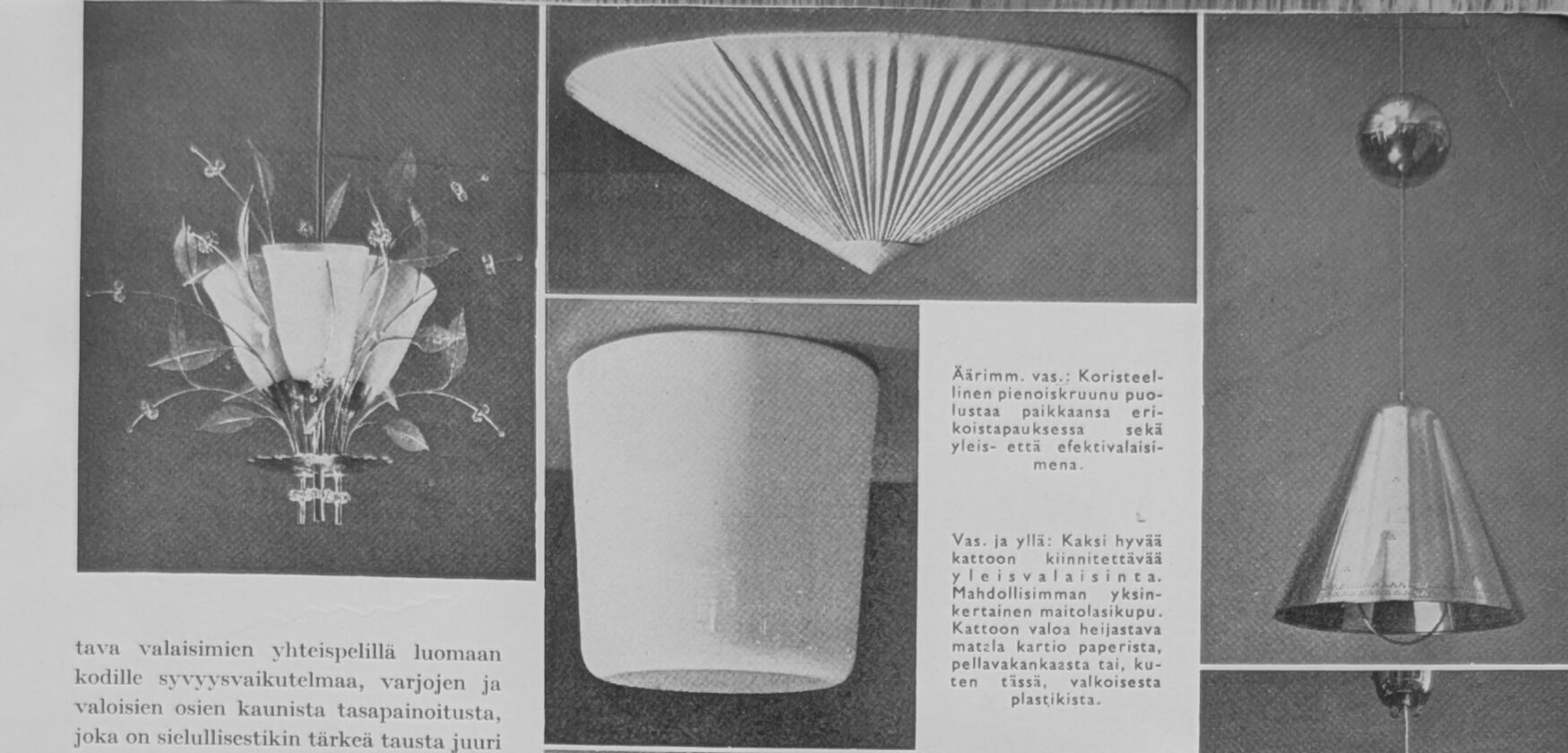
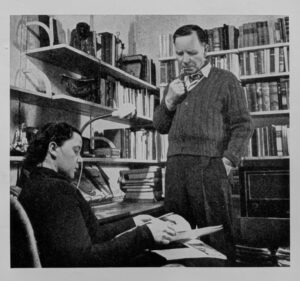
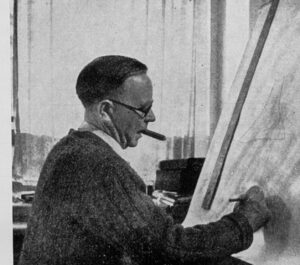
In 1950, the Finnish interiors magazine Kaunis Koti visited the home of Paavo and Helena Tynell for an article titled Valo heijastuu metallista ja lasista, or Light Reflects from Metal and Glass. The article offers a rare glimpse into the creative life of the couple. Paavo was already Finland’s leading lighting designer, while Helena was developing her own distinctive work in glass.
Interestingly, the interview was written by Armi Ratia, who would soon become one of the most influential names in Finnish design and the driving force behind Marimekko. Seen today, the article brings together three remarkable figures at an important moment in the history of Finnish design.
In the interview, Paavo does not only talk about the appearance of lamps, but rather approached lighting as a complete part of the home. He criticised the common habit of hanging a grand fixture in the centre of a living room and assuming that the lighting problem had been solved. A beautiful lamp could still leave someone reading in a corner reaching unsuccessfully for enough light.
For Tynell, a successful lighting plan required three distinct categories of light, each with its own purpose. Following, is a reconstruction of the interview for a deeper understanding of Tynell’s view on lighting and the categories he talked about.
General lighting
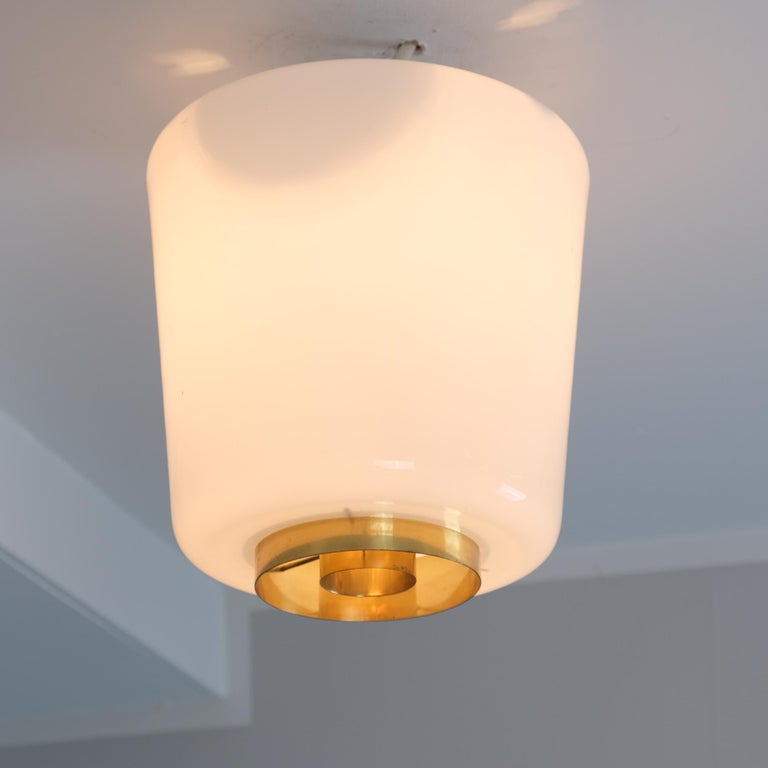
The first category was general lighting, which provides the practical foundation of a room. Tynell considered it especially important in kitchens, children’s rooms and workspaces. In hallways and bathrooms, general lighting might even be sufficient on its own.
He suggested simple solutions such as a white globe or light reflected from the ceiling by a shade suspended beneath it. What mattered was not unnecessary spectacle, but an even and useful level of illumination suited to the room.
Examples of general lighting:


Local and task lighting
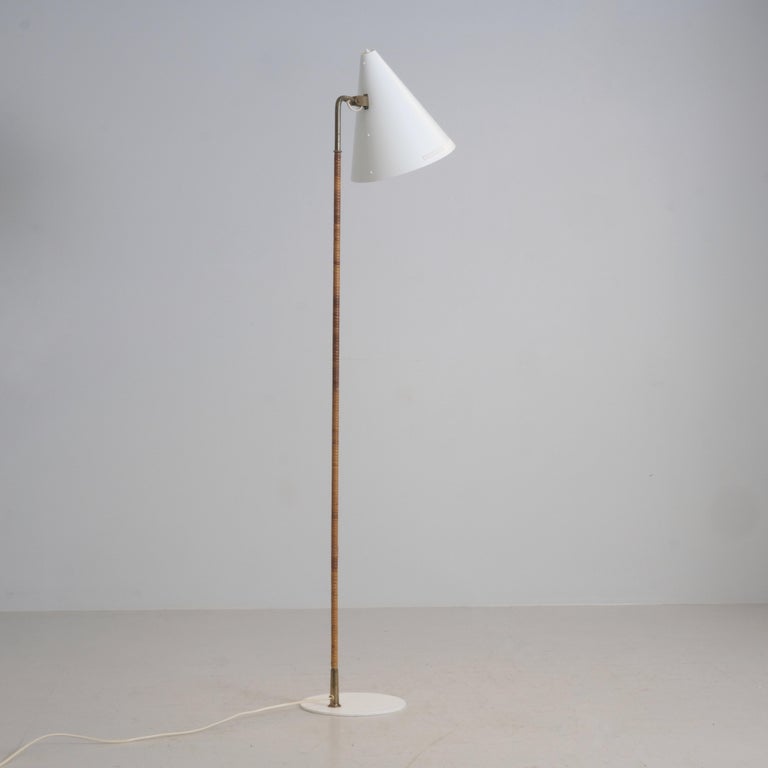
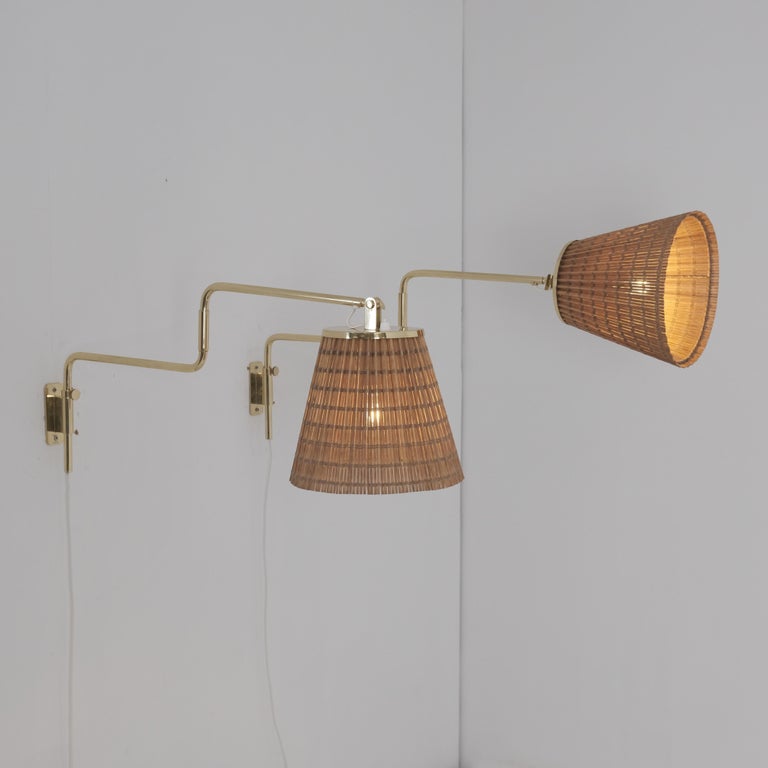
The second category was local lighting, including task lights and special purpose lights. Here, the light is brought precisely to the place where it is needed.
A dining lamp should illuminate the table without dazzling the people seated around it. It should bring out the beauty of the food and create a welcoming setting, while avoiding harsh contrasts between light and shadow. Because the dining table often serves many purposes, Tynell recommended a lamp that could be raised, lowered or moved when necessary.
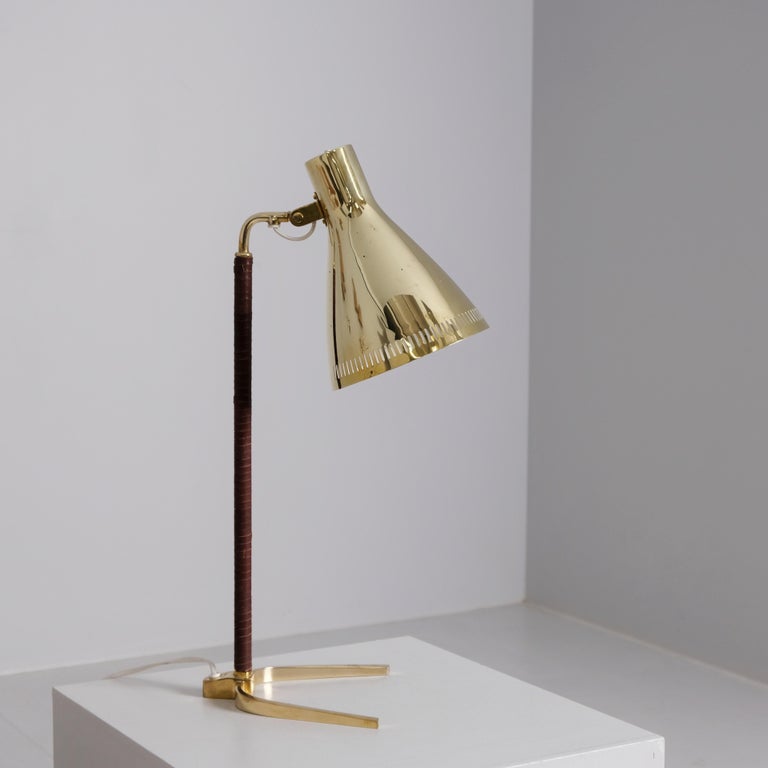
Reading, writing, sewing and other detailed activities required their own carefully directed light. Tynell noted that the ordinary desk lamp was not always an effective working light and praised the more adaptable task lamps then appearing, with articulated arms and smaller shades.
His idea of local lighting extended throughout the home. Bookshelves, mirrors, music stands, cupboards, the washing area, a flower window and even an aquarium might benefit from their own dedicated light. The solution should always begin with the activity rather than with the lamp itself.
Examples of local and task lighting:

Decorative light, or mood lighting
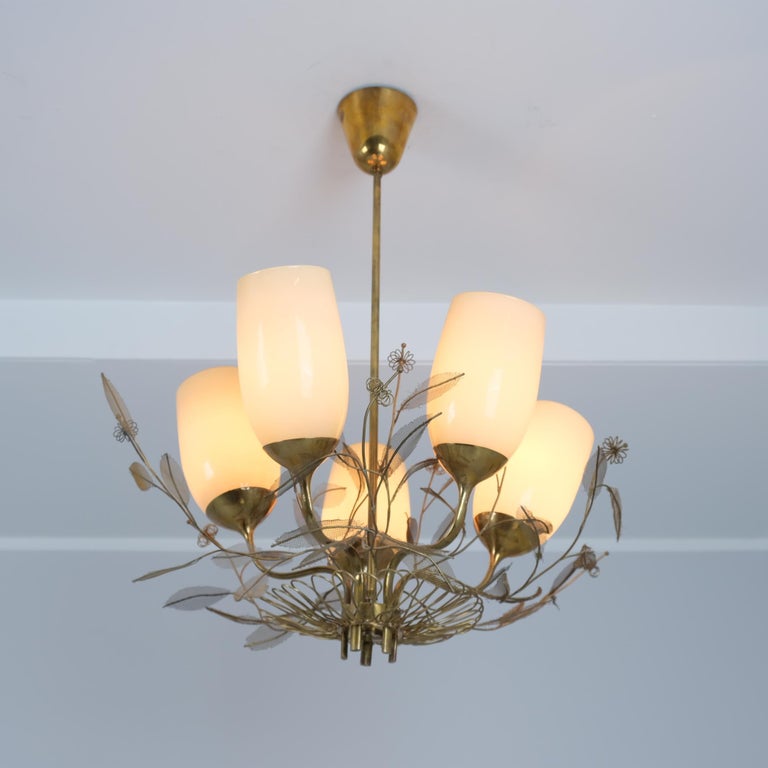
The third category was decorative lighting, although Tynell preferred the more meaningful term mood lighting.
Once general and task lighting had fulfilled the practical needs of the home, light could be used to shape its emotional atmosphere. Listening to music, enjoying the radio or simply resting might require little functional illumination, yet the right light could give the moment warmth, intimacy or calm.
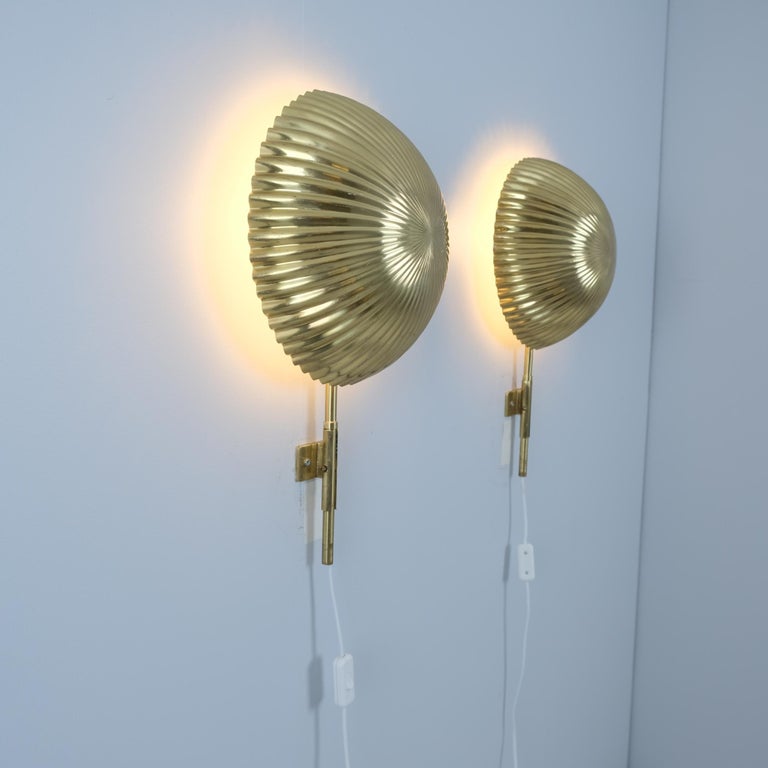
As Tynell observed, a mood light does not necessarily need to illuminate. Its name already explains its purpose.
This distinction reveals something essential about his work. Light was not merely a technical necessity, nor was a lamp simply an object placed in a room. Lighting could create depth, soften shadows, draw attention to certain areas and give the same interior several different characters.
Helena Tynell expressed a closely related thought. She believed that the dark hours should be approached with the same care as daylight. Artificial lighting offered possibilities that daylight could not. Through light and shadow, rooms could be given different personalities and different moods. Light might be peaceful, cheerful, cold, warm, soft, hard, inviting or even frightening.
Examples of decorative & mood lighting:

Good lighting as a lasting investment
Tynell also challenged the belief that good lighting was expensive. In his view, people had simply become accustomed to paying too little for it. They might willingly invest in cars or works of art while treating the lighting of the home as secondary, even though carefully planned lighting improved comfort, usefulness and beauty at the same time.
More than seventy-five years later, his argument feels remarkably contemporary. Good lighting is not created by one impressive fixture. It emerges from the thoughtful balance of general light, task light and atmosphere. This way of thinking helps explain why Tynell’s work has remained relevant long after the interiors for which many of his lamps were originally designed have disappeared.

If we could ask Paavo Tynell today
The original interview naturally could not anticipate the international reputation Tynell’s work would acquire in the decades that followed. His lamps are now studied, collected and placed in interiors around the world. With that hindsight, we imagined asking him two further questions.
The following exchange is hypothetical and is not part of the original 1950 interview. The answers are inspired by the principles Tynell expressed through his work and in the article.
Do you expect your designs still to be in fashion seventy or eighty years from now?
“I cannot foresee the future, but I believe that anything created with passion and built upon solid foundations of knowledge, proportion, function and beauty can survive for generations. Fashion and trends pass, but work that is sincere, considered and well made may continue to find its place.”
What would you say if you knew that your designs would become highly collectible, sought after and capable of fetching record prices?
“I would consider that a privilege and perhaps a sign that I had done my work well. As for prices, everything is relative. A lighting fixture that fulfils its function, possesses the qualities of a work of art, serves several generations and continues to appreciate in value may ultimately prove to be a very good investment. In time, one might even say that it has cost its owner almost nothing.”
The enduring appeal of Paavo Tynell’s lighting is rooted in precisely this union of knowledge, proportion, function and beauty. His lamps continue to illuminate rooms, but their true legacy lies in the way they teach us to think about light itself.
References
- Based on “Valo heijastuu metallista ja lasista,” written by Armi Ratia and published in Kaunis Koti, no. 2, 1950. The final two questions and answers are contemporary and a hypothetical addition.
Author: Shadi Haddadin
